Sending Money in Sugar Dating: Safe Payment Methods 2026
Reading time: 8 minutes
A sugar baby gets a message: "I'll send you 2,000 euros as an advance, but you need to send 150 euros for the processing fee first." Sounds tempting? That's one of the most common scams in sugar dating. Sending money in sugar dating carries specific risks you absolutely need to know before entering into any financial arrangement.
Sugar dating is built on financial arrangements between two adults. But those same money flows attract scammers like moths to a flame. According to a University of Leicester study (2021), about 43% of sugar babies report experiencing attempted payment fraud. The good news: with the right payment methods and a bit of caution, you can protect yourself effectively.
Safe Payment Methods in Sugar Dating
Not all payment methods offer the same protection. Some allow chargebacks, others are anonymous and irreversible. Choosing the right method determines whether you ever see your money again after a scam.
Cash: The Classic and Safest Option
Cash exchanged in person remains the safest payment method in sugar dating. You see exactly what you're getting, and there's no digital trail or fees. Trustworthy sugar daddies often prefer this method themselves, since it's discreet and doesn't require sharing account details.
The downside: cash only works for in-person meetings. It's not practical for long-distance arrangements or before the first date. Make sure to accept larger sums in public places, never in secluded or private locations. A genuine sugar daddy understands this precaution.
PayPal: Buyer Protection with Limitations
PayPal offers buyer protection on "goods and services" payments, but that's irrelevant for sugar dating since you're the one receiving money. The "friends and family" option has no protection and is irreversible. Still, PayPal is relatively safe because both parties need verified accounts.
A concrete example from MySugardaddy.de: legitimate sugar daddies rarely use PayPal, because their real names show up and the transactions appear in their account statements. If someone suggests PayPal, check their profile especially carefully for scammer warning signs.
Bank Transfer: Transparent but Slow
Bank transfers are traceable and legal, but take 1-3 business days. They work well for regular monthly allowances in established arrangements. The upside: both parties must disclose real bank details, which rules out anonymity and deters scammers.
Never share your card number or online banking login details. All that's needed for a transfer is an IBAN and a name. A genuine sugar daddy never asks for more than that. According to a study by the German consumer protection agency Verbraucherzentrale (2024), 67% of all online dating scams end with a demand for complete banking details.
Payment Apps: Venmo, Cash App, and Revolut
Modern payment apps like Revolut or Cash App offer fast transfers but almost no buyer protection. Revolut allows international transfers in different currencies, which is handy for international arrangements. Cash App is mainly used in the US.
These apps offer more anonymity than bank transfers, since often only a username is visible. But that's exactly what makes them attractive to scammers. Before using one, check whether the app allows chargebacks for fraud in your country. In Germany, for instance, Revolut offers no fraud protection for voluntary payments.
Spotting Money Transfer Scams
Scammers keep coming up with new tricks, but the underlying patterns stay the same. Once you know them, you'll see through most attempts immediately.
The Upfront Payment Scam
The most common trick: someone promises you a large sum, but first demands a smaller payment for fees, verification, or a "trust deposit." A typical example: "I'll transfer you 3,000 euros a month, but my bank requires a 200-euro processing fee from you first." That's always a scam.
Never send money upfront while dating — that rule has no exceptions. Real sugar daddies have plenty of financial means to cover any fees themselves. They would never ask a sugar baby for money before the relationship is even established. The platform SeekingArrangement explicitly warns against this exact scam in its safety guidelines.
Stolen or Fraudulent Payment Methods
Some scammers do send money, but from stolen credit cards or hacked accounts. Weeks later the payment gets reversed, and you're left looking like an accomplice. Be especially suspicious of unusually large first payments.
A concrete case from a Reddit thread: a sugar baby received 5,000 euros from a new sugar daddy, used 2,000 euros of it to buy him gift cards, and kept 3,000 euros. Three weeks later, the payment was reversed as fraudulent. The sugar baby had to repay the full 5,000 euros and was left holding worthless gift cards. Cases like this involve faked verifications and identities that are hard to spot.
Phishing and Data Theft
Scammers send links to supposed "verification pages" or "secure payment platforms" that look exactly like real banking sites. There, you unknowingly enter your login details. This method is called phishing and, according to Germany's Federal Office for Information Security (BSI), accounts for 38% of all online fraud offenses.
Always check the URL in the address bar. Real bank sites have a padlock symbol and start with "https://". If the address deviates even slightly from the official site (e.g., "paypa1.com" instead of "paypal.com"), it's a scam. Never enter login details on a page you were redirected to via a link.
Practical Safety Tips for Payments
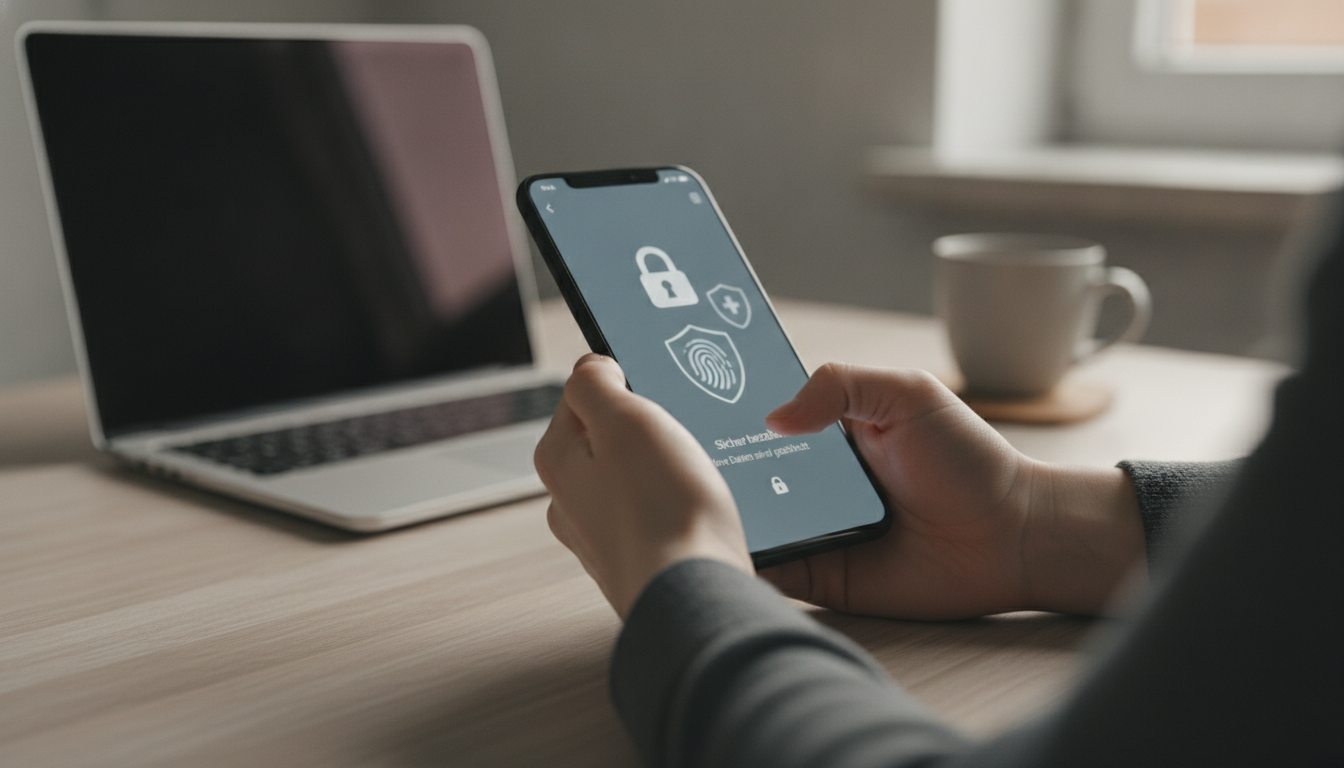
Theory is good, but concrete rules of behavior protect you day to day. These tips are based on real experiences from the sugar dating community.
The First Three Dates: Cash Only
During the getting-to-know-you phase, you should only accept cash at in-person meetings. That might sound old-fashioned, but it protects both sides. You don't give away any account details, and a genuine sugar daddy demonstrates his commitment by doing this. Anyone unwilling to bring cash to a first date usually isn't legitimate.
Agree on a fixed amount in advance and meet in public places like cafés or restaurants. Some first sugar dating meetups deliberately take place in busy hotel lobbies, where both sides feel safe. Count the money discreetly after the meeting, not at the table.
Digital Payments Only After Trust Is Built
After several successful meetings, you can switch to digital payment methods. Choose a method where both sides are verified. Bank transfers or PayPal (with real names) significantly increase safety, since anonymity is off the table for both parties.
Start with smaller amounts to test reliability. If the agreed amount is 2,000 euros a month, accept the first few months split into weekly payments of 500 euros. That minimizes your risk and shows whether your sugar daddy is reliable.
Document Every Agreement
Write down what you've agreed to. It doesn't need to be a formal contract — a WhatsApp or email message is enough: "We agreed on: 1,500 euros a month, transferred on the 1st." Messages like this protect you if disagreements arise and deter scammers who don't want to leave a trail.
Save screenshots of every payment commitment and confirmation. If something suddenly changes or a payment doesn't show up, you'll have proof. A genuine sugar daddy has no problem with this kind of transparency. Anyone who resists it may be planning a scam.
What to Avoid: Absolute No-Gos
Some things you should categorically refuse, no matter how convincing the story sounds or how nice the person seems.
- Never send money in advance, no matter the reason given (fees, verification, proof of trust)
- Never buy and forward gift cards or vouchers — a classic sign of a scam
- Never use Western Union, MoneyGram, or other irreversible cash transfers
- Never share your bank PIN, credit card number with CVV, or online banking login details
- Never click on links in messages leading to supposed "verification pages"
- Avoid cryptocurrency payments in the early stages — they're completely irreversible
Platforms and Their Payment Policies
Reputable sugar dating platforms have clear rules around sending money. MySugardaddy, for example, explicitly bans requests for money in chat and suspends profiles that ask for it. SeekingArrangement has an extensive safety section warning explicitly about upfront payment scams.
Check the payment policies on whichever platform you use. Reputable sites like the ones covered in this platform overview offer reporting features for suspicious payment requests. Use them whenever something feels off. That protects not just you, but other users too.
International Payments: Extra Caution Required

International sugar dating arrangements come with additional risks. Exchange rates, transfer fees, and different legal systems make tracing fraud harder. TransferWise (now Wise) and Revolut are relatively safe options for international transfers, but they offer no fraud protection.
If your sugar daddy lives abroad, he should cover the transfer fees. For a genuine high-net-worth individual, 20-50 euros in fees is not a hurdle. Anyone who argues about it or asks you to split the fees probably doesn't have the financial means he claims to have.
Frequently Asked Questions About Sending Money in Sugar Dating
Which payment method is safest for sugar dating?
Cash at in-person meetings is the safest method, especially in the first few weeks. For established arrangements, bank transfers are safe since both parties are traceable. PayPal offers a middle ground with more anonymity than banks, but less than cash.
How do I recognize a money scam in dating?
Scammers always demand upfront payments for supposed fees or verifications. They push for quick decisions and use emotional manipulation. Genuine sugar daddies never send large sums unsolicited and never demand gift cards or personal banking details.
Should I share my IBAN for transfers?
Yes, your IBAN is necessary and relatively safe for transfers. With the IBAN alone, no one can withdraw money from your account — only deposit money into it. But never additionally share your card number, PIN, or online banking login details.
What do I do if I've already been scammed?
Contact your bank immediately and try to stop or reverse the payment. File a police report with all screenshots and chat logs. Report the profile on the dating platform. With PayPal, you can open a dispute within 180 days.
Is cryptocurrency safe for sugar dating?
No, cryptocurrency is unsuitable for sugar dating, especially early on. It's completely irreversible and anonymous, which plays right into scammers' hands. Only after months of built-up trust, and if both parties are familiar with crypto, could it be an option.
Bottom Line: Safety Comes Before Fast Money
Sending money in sugar dating requires caution and common sense. Safe payment methods like cash at meetings or traceable bank transfers protect you from most scams. Never send money in advance while dating — this one rule saves you from 90% of all fraud attempts.
Genuine sugar daddies understand your safety concerns and respect them. Anyone who pressures you or demands unusual payment methods is most likely a scammer. Trust your gut and set clear boundaries. A legitimate arrangement develops slowly and is built on mutual respect.
Before signing up, research the platform's safety standards and use all available protective measures. With the right precautions, you can enjoy the benefits of sugar dating without financial risk.